Showing posts with label language in abundance. Show all posts

Thursday, 31 May 2018

CoL Meeting #4

Russell's Korero:

Tonight we were reminded by Russell the history behind schooling improvement in our cluster. The slide below was written before the shift from the analogue to the digital age but identifies the 4 things that change the outcomes for our learners.
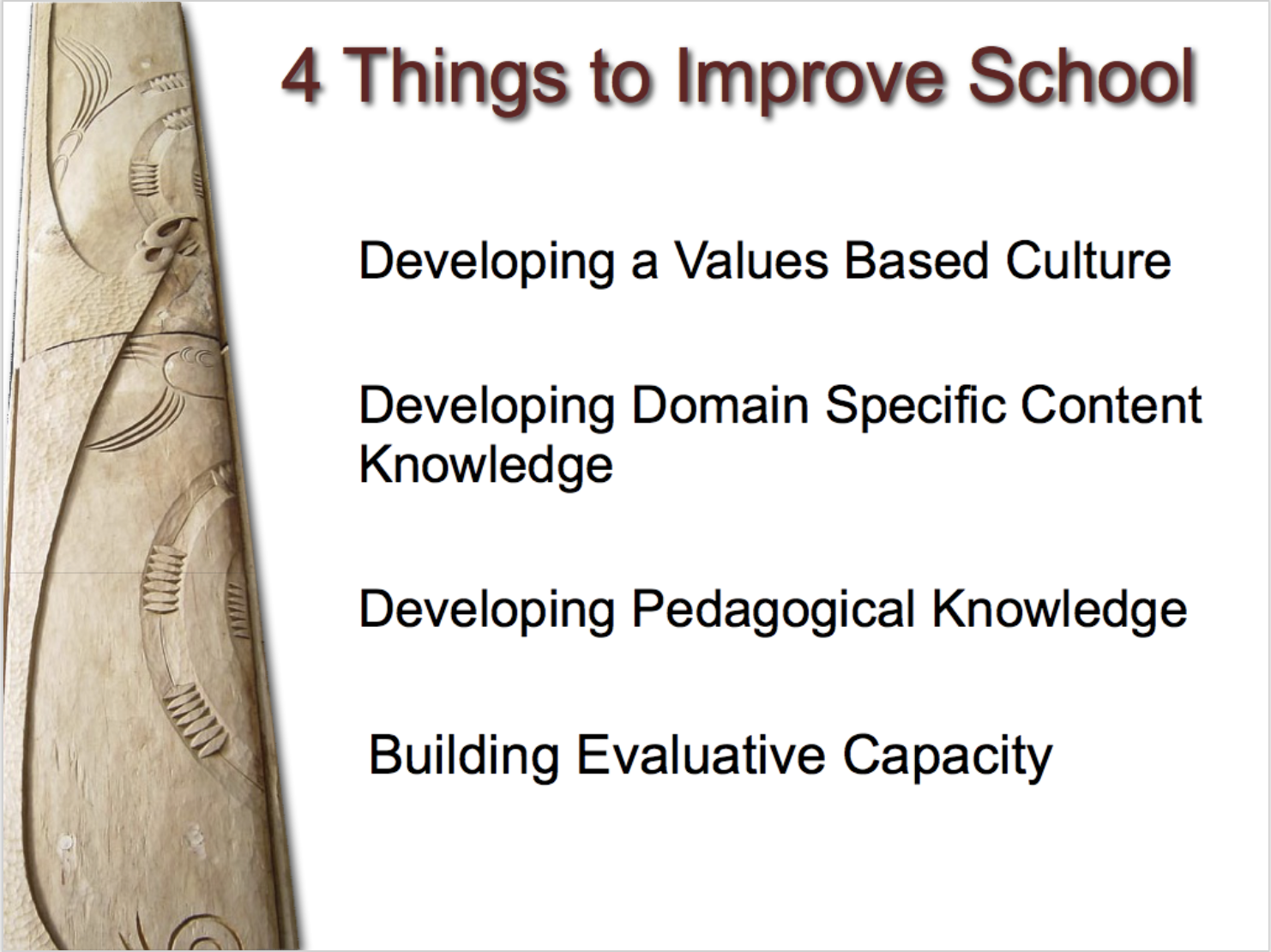

We need to link evidence to practise. Our inquiries help us to share what works and teaches others so they can apply this to own teaching domains.
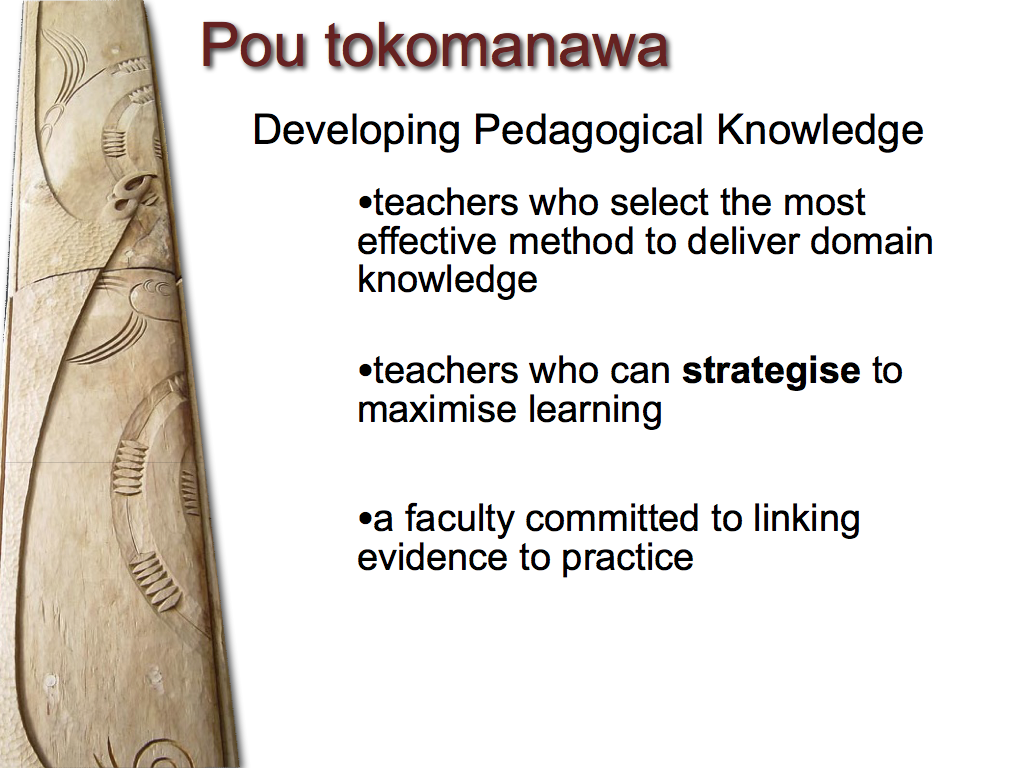


Teachers strategise to maximise learning - e
g: Learn to read v read to learn strategies must link to the domain it is being applied to. Students need to develop learn to read strategies so they can apply these when we teach them how to read to learn.
Students need to want to learn and understand how they can improve their learning - Teachers need to stop being passive and ignite the motivation to learn through effort and application of strategies to increase engagement.


Teachers shouldn't blame students but should evaluate their success and reflect on how the teaching helped it happen and/or be aware of what needs to change. We measure success by value added. When we open the doors the learning is hiding behind we empower our students to want to learn, when our students want to learn they do learn. It is the power of our teaching inquiries that lets us evaluate, reflect upon and share the many different ways we unlock these doors.


Language in Abundance - Dr Jannie Van Hees:


Learners feel valued and included when language focus is personalised. Teachers need to see value of gifting language - how can we plan for this we learn best we when elaborate our responses by focusing and noticing language - we learn when we learn with and from each other. Traction is not being made as the opportunities for receiving language are inconsistent. Are we (teachers) gifting enough language? We need a balance of student and teacher talk. Children need to think before they speak to their peers rather than just mumbling an answer. Not learner - teacher but US as a class. Students need to be replying to students. Providing opportunities for our learners to use language in a way that engages them will help them become active participants in the conversation. If we encourage our students to explain their thinking by being in dialogue with each other we must remember to teach these skills as the potential for learning is astounding

Strategies to explore:


Talk together


  • how do we do this - need to be in a u-shape, make eye-contact
  • xxxxx said .......  Can we contribute back to him/her without asking a question?


To and fro talking or chain linking


  • Effective conversation is not talking past each other to pick up message in the meaning - need to talk to / listen to.
  • Need to get our learners to realise the ways connections are made through sentences.
  • Links between paragraphs - sentence about one topic - buddy needs to say a sentence that supports and links to previous one - random sentences cannot be linked - Get students to stand up and can only link arms if they link sentences.
  • A conversation needs to be more than just one reply (eg: 'When we opened our compost bin yesterday we saw so many crickets'.... 'that's because it's warm in there and there's food'... How can you add on to the first sentence without asking a question?)
  • Make a template recording chains under each - so it becomes a discussion not just a response and comment, try to keep the chain going.
  • Comment - comment that is not a question but includes the fact, values the speaker, and extends the conversation.


Monday, 5 March 2018

Noticing, connecting to and using the words around us...

Written words are all around us in a school but how many of these words do our learners have a connection to? How many of these words do they notice and use? During a class discussion I discovered that although most of our class could say our school whakatauki, I quickly realised personal connections to the meaning behind these words was missing. This made me think about how I could help my learners to notice, understand and use the language around them.

During our first CoL meeting this year Dr Jannie Van Hees reminded us of the rich language opportunities available to us in our local area. Our own school seemed like the perfect place to start building my learner's vocabulary kete. After unpacking our school whakatauki by looking at the history and purpose behind these words I introduced combination of think-pair-share and small group discussions to allow my learners to use the language in an authentic context. Working with a buddy to search for other whakatauki and the meaning behind them, resulted in connections and comparisons being made. 'Manaaki whenua, Manaaki tangata, Haere whakamua' are no longer simply words we see and can say. 'Care for the land, Care for the people, Go forward' are all words that each of my learners understand and have formed their own connections to. We captured this learning by creating DLOs to reflect our understanding and grow our print rich learning environment. Jeremiah is happy for me to share his example. Jeremiah's blog


Following on from this we looked at a phrase commonly used at our school, 'Agents of Change'. I know that I have personally unpacked this phrase each year with my learners as it is a powerful way for them to grow their leadership. This year we looked at how we could become 'Agents of Change' in our own 2018 learning journeys. This was goal setting wrapped up in the language around us. It provided an authentic purpose for my learners to strengthen their connections to these words by using them in a personalised context. Jack is happy for me to share his example. Jack's blog


We took this a step further by bringing the language, personal to our school, into our assembly time. I have been working with our student leaders when they write their assembly scripts, so together we have begun to weave our PBS language into their weekly reports. After all we learn best when we learn with and from each other, and who better to grow this learning and sense of ownership than our own student role models.